
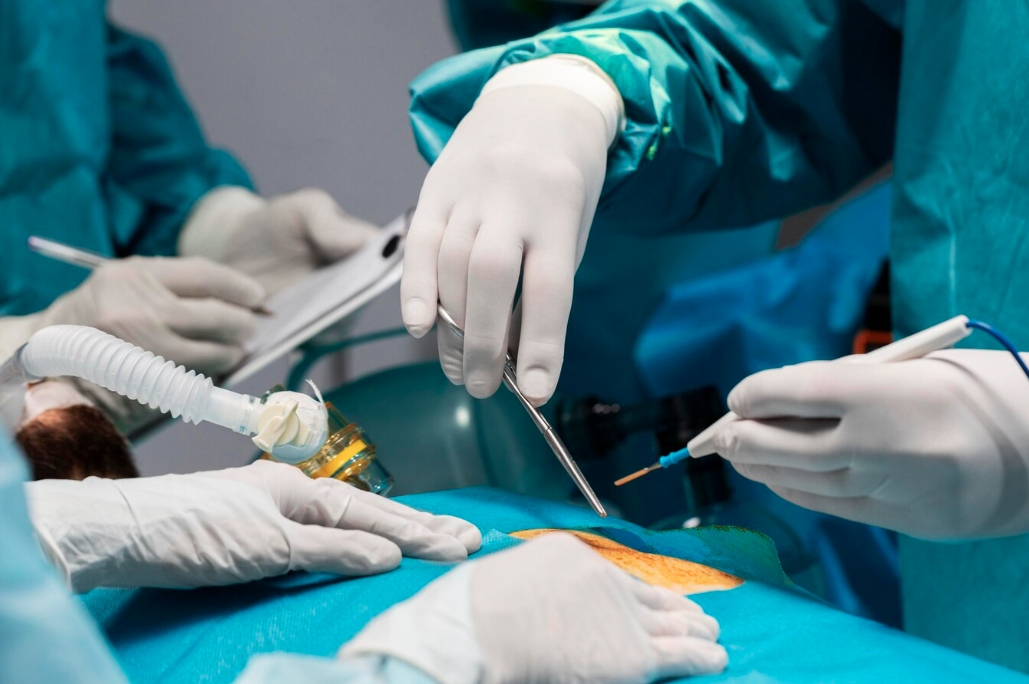
Advancements in medical technology have completely transformed the field of surgical interventions, moving away from highly invasive procedures toward precise techniques.
Traditionally, complex internal surgeries required large abdominal cuts that resulted in long hospital stays and notable physical discomfort. Today, the clinical introduction of laparoscopy has altered the healthcare experience for millions of patients globally.
This innovative medical approach utilizes specialized cameras and thin tools to perform complex operations with minimal disruption to surrounding bodily tissues, establishing a standard for patient-centered medical care.
Dramatically Smaller Incisions and Improved Cosmetic Healing
The most immediately visible advantage of choosing laparoscopy over traditional open surgery is the minimal size of the surgical punctures. Instead of creating a single, large wound across the abdominal wall, surgeons make a few small cuts that are usually less than one centimeter long.
These tiny access points allow delicate surgical instruments and specialized camera systems to enter the body easily. Because the entry points are small, patients experience significantly less tissue trauma, which leads to minimal scarring and excellent aesthetic healing results after recovery.
Significant Reduction in Post-Operative Pain and Discomfort
Large open incisions inherently require cutting through major muscle groups and deep tissue layers, which generates intense post-operative discomfort. By utilizing the precise methods of laparoscopy, medical professionals avoid disrupting these sensitive muscle structures entirely.
Consequently, individuals require significantly lower doses of prescription pain medications during their recovery phase.
Lower narcotic usage reduces the risk of common medication side effects, such as deep nausea, severe drowsiness, and digestive complications, allowing for a comfortable postoperative experience.
Lower Risk of Infection and Internal Complications
Exposing internal organs to the open room environment during traditional procedures increases the risk of airborne bacterial contamination. Because laparoscopy relies on a sealed, highly controlled environment, internal tissues remain protected from external contaminants throughout the operation.
Additionally, the limited size of the wounds minimizes the surface area vulnerable to superficial infections. This modern technique also causes less internal tissue friction, which reduces the formation of painful internal scar tissue or structural adhesions.
Shorter Hospitalization Stays and Faster Patient Discharge
Extended hospital admissions place a heavy financial burden on families and increase exposure to hospital-acquired illnesses. Patients undergoing operations managed via laparoscopy typically experience short hospital stays, with many returning home the exact same day.
Because the small surgical wounds heal rapidly, individuals do not require continuous clinical monitoring or extensive nursing care. This rapid discharge allows individuals to transition back to the comfort of their home environments, freeing up valuable hospital resources for critical emergencies.
Accelerated Recovery Timelines for Daily Activities
An open surgical procedure often restricts a patient from lifting items, exercising, or working for several consecutive months. In contrast, the quick healing associated with laparoscopy allows individuals to regain their normal physical independence within a fraction of that time.
Most individuals can resume light household activities, return to office jobs, and begin gentle walking routines within one to two weeks. This brief disruption to professional and personal schedules helps preserve financial stability and emotional well-being.
Enhanced Visual Precision for Executive Surgical Teams
The success of a delicate operation depends entirely on the clarity of the surgical field. High-definition digital camera systems used during laparoscopy project magnified, crystalline imagery of internal organ structures onto large monitors in real time.
This exceptional magnification allows doctors to identify tiny blood vessels and anatomical variations that are difficult to see with the naked eye. The superior visibility ensures absolute structural precision, minimal blood loss, and safe outcomes for patients facing complex diagnoses.