In today’s fast-moving healthcare environment, patients are looking for faster, easier, and more comfortable ways to get medical tests and results. One of the most useful innovations in this area is mobile imaging. It allows patients to receive important diagnostic services without needing to travel to a hospital or wait in long queues. This approach is improving access to healthcare and making the entire process more efficient for both patients and medical professionals.
What Is Mobile Imaging?
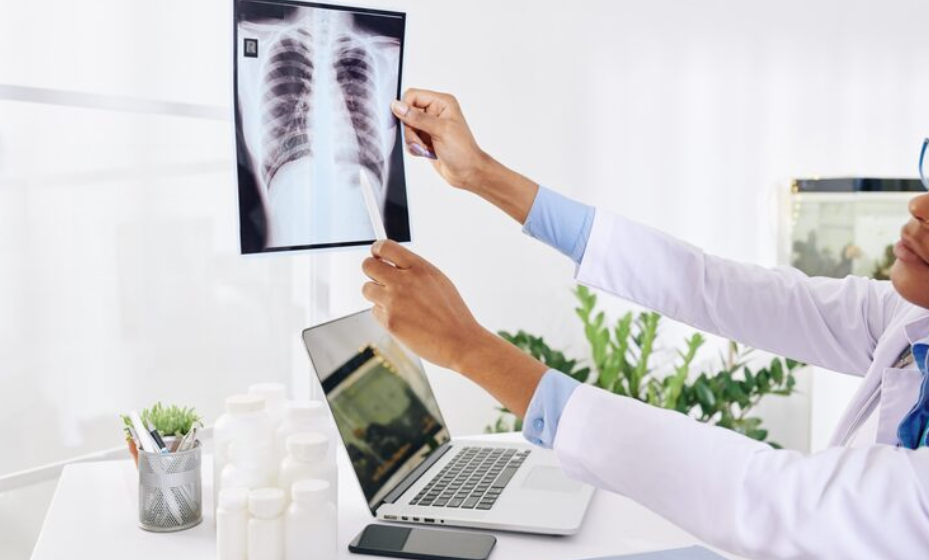
Mobile imaging refers to diagnostic imaging services that are brought directly to the patient’s location instead of requiring the patient to visit a medical facility. This can include services such as X-rays, ultrasound scans, and other imaging tests performed using portable equipment.
With mobile imaging, trained technicians arrive at homes, clinics, nursing facilities, or workplaces with advanced portable machines. These devices are designed to produce high-quality images that doctors can use to diagnose health conditions quickly and accurately. This system reduces the need for hospital visits, especially for patients who are elderly, critically ill, or have mobility challenges.
Faster Access to Medical Diagnosis
One of the biggest advantages of mobile imaging is speed. In traditional healthcare settings, patients often have to schedule appointments, travel to hospitals, wait in queues, and then wait again for results. This process can take days or even weeks depending on demand.
Mobile imaging significantly reduces this waiting time. Since the imaging is done at the patient’s location, the process begins much sooner. In many cases, results are shared digitally with doctors within a short period after the scan is completed. This quick turnaround helps doctors make faster decisions about treatment plans, which can be critical in urgent medical situations.
Improved Comfort and Convenience for Patients
Many patients find hospital visits stressful, especially those dealing with pain, injury, or chronic illness. Traveling can be physically exhausting and sometimes even risky for people with serious conditions. Mobile imaging solves this problem by bringing the service directly to the patient.
This convenience is especially helpful for elderly patients, pregnant women, and individuals recovering from surgery. They can stay in a comfortable and familiar environment while still receiving high-quality diagnostic care. This reduces stress and improves the overall patient experience.
Better Access for Remote and Rural Areas
In many rural or remote regions, access to advanced medical facilities is limited. Patients often have to travel long distances to reach a hospital that offers imaging services. This can delay diagnosis and treatment, sometimes making conditions worse.
Mobile imaging helps bridge this gap by bringing essential diagnostic tools directly to underserved communities. Healthcare providers can reach more patients in less time, ensuring that even those in remote areas receive timely medical attention. This improves overall healthcare equality and reduces regional disparities.
Support for Healthcare Facilities and Professionals
Mobile imaging is not only beneficial for patients but also for hospitals and healthcare systems. It helps reduce overcrowding in hospitals by handling routine imaging outside of the main facility. This allows hospitals to focus more on emergency and critical care cases.
Doctors also benefit from faster access to diagnostic information. Since images can be sent digitally, specialists can review results quickly and collaborate with other healthcare providers when needed. This leads to more accurate diagnoses and better treatment planning.
Conclusion
Mobile imaging is transforming the way diagnostic healthcare is delivered. By bringing essential imaging services directly to patients, it reduces waiting times, improves comfort, and expands access to medical care in both urban and rural areas. It also supports healthcare professionals by streamlining the diagnostic process and improving efficiency. As technology continues to advance, mobile imaging is expected to play an even more important role in making healthcare faster, more accessible, and more patient-friendly.