Nowadays, cupping treatment has become a popular complementary medicine and has been recognized for its potential to alleviate muscle pain, promote relaxation, and aid in recovery. The therapy is done by using cups that create suction on the skin. Practitioners will use either dry cupping, moving cupping or wet cupping depending on the technique. Modern practitioners now practice cupping in conjunction with hygienic methods and a greater knowledge of wellness.
While cupping therapy has been a part of traditional medical practices for centuries in some cultures, it’s crucial to understand that it’s not a substitute for professional medical care. Evidence is emerging and is dependent on the health concern being researched. Cupping, if done correctly by a trained practitioner, can form a part of a comprehensive relaxation and physical healing regimen.
How is Modern Cupping Therapy Defined?
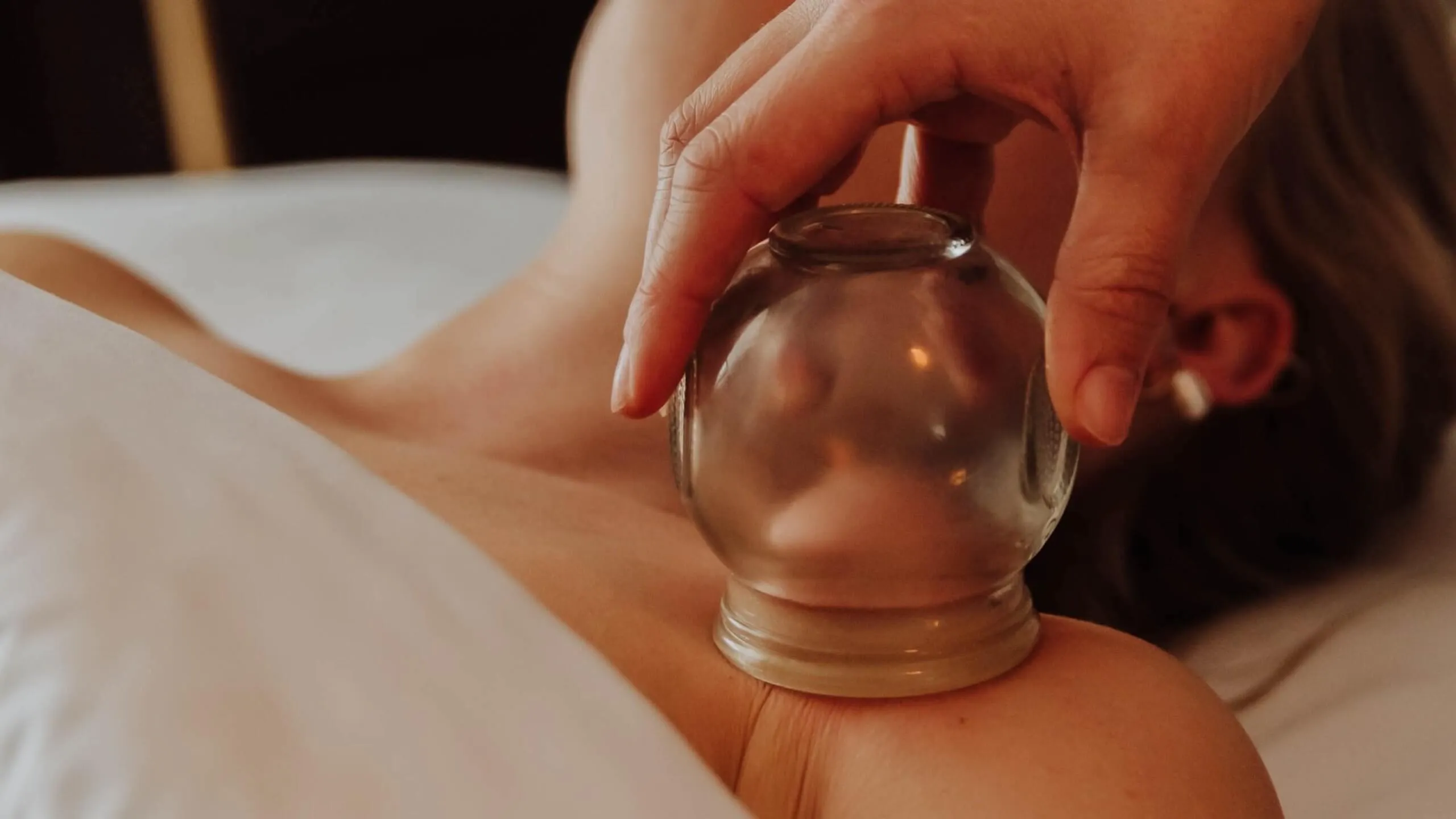
The modern cupping therapy involves the use of special cups that are applied to the skin and then cup is suctioned. The gentle upward pull of the suction is on the skin and underlying tissues. Cups can either stay in one position for several minutes or be moved around the skin with the aid of the massage oil.
Generally, dry cupping does not result in the breaking of the skin. In the case of wet cupping, however, the small punctures are made superficially, and suction is applied to the skin, so it is essential to have careful hygiene and professional training. Each method has its own set of considerations, and people should talk to their health care or wellness expert about their needs before undergoing treatment.
What is Cupping Therapy?
With the suction of a cup, the pressure in the tissues underneath the skin temporarily changes. This can result in a “pulling” sensation and typically causes circular marks that can range in color from red to purple or bruised. These marks usually fade with the passage of time, and should not necessarily be taken as a sign of toxins being expelled.
People often come to cupping therapy for relaxation or for short-term muscle relief. But there can be wide variations in individual responses. Cupping should then be viewed as one of many complementary treatments, and not a guaranteed remedy for a specific condition.
May Assist in Easing Muscle Tension
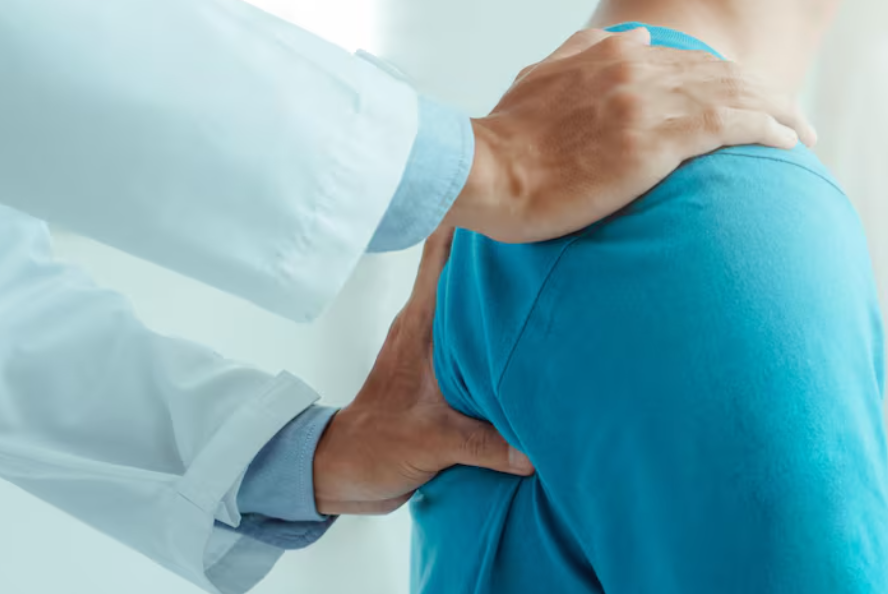
Muscle tightness is one of the most popular reasons that people opt for cupping therapy. Many people nowadays spend long periods of time in a seated position or performing repetitive activities, but also exercise or engage in physical tasks that can cause discomfort in the muscles. Cupping is also sometimes combined with massage, stretching and other recovery techniques to make people feel better.
The sucking can cause a sensation of a pull over certain muscles. After a session some people feel looser or relaxed. There are conflicting results from studies, and further studies with better methodology are warranted, but for some cupping therapy can be a short-term solution when combined with a comprehensive wellness plan.
It’s important to not have too high expectations for the therapy. If the muscle pain is ongoing, is severe or unexplained, it should be treated by an appropriate professional health care provider and not just using complementary therapy.
Encourages Relaxation and Stress Management
One of the other advantages of contemporary cupping therapy is relaxation. Typically, treatment takes place in a peaceful setting, and the act of resting in a comfortable position during treatment could help patients take time out from their regular activities.
Stress can negatively affect sleep, muscle tension, mood and overall wellness. Practices that promote relaxation can thus be beneficial in maintaining a healthy lifestyle. Because cupping therapy involves both therapeutic touch, quiet surroundings, and focused time for self-care, some find cupping sessions to be relaxing.
While cupping can be used as a form of anxiety or depression treatment, it shouldn’t be used as a first line of treatment. If emotional or psychological symptoms are ongoing, the person should seek the appropriate professional help.
May Support Exercise Recovery
Athletes, fitness enthusiasts, and those involved in physical activities might consider cupping as a method for recovery. Muscle soreness and stiffness from exercise is temporary and usually happens after you’ve done something new or difficult. Generally, recovery will depend on proper rest, fluids, nutrition, sleep and the right kind of exercise.
Few athletes and active people use cupping in conjunction with other recovery techniques such as stretching, massage, mobility work and more. They might find the therapy can make them more comfortable or less tight after exercise.
There are limited and conflicting scientific findings on cupping therapy as a means of athletic recovery. Hence, it is not intended to be a substitute for existing sports medicine guidelines. Professional evaluation is more appropriate than the use of cupping if there is significant swelling, weakness, severe pain, and/or loss of movement associated with the injury.
May Foster a Feeling of Increased Wellbeing
Wellness is more than just being disease free. Physical comfort, relaxation, healthy routines, sleep, movement and taking time for self-care are all included. Overall, modern cupping therapy can help enhance the person’s wellness experience by offering a designated time to unwind and get treatment for the entire body.
Some find complementary therapies are beneficial for them as it helps them to become more aware of their physical responses. A cupping session can be part of a larger strategy that might consist of exercise, nutrition, sleep, stress reduction, and regular health care.
This is also the psychological aspect of intentionally receiving self-care that needs to be taken into account. The relaxation response that can come after a wellness session can be beneficial, even though the physiological response to the therapy is still in a process of study.
May Support Other Wellness Practices
Cupping therapy can be performed without any other treatment. Others use it as part of a larger wellness plan which could involve massage, stretching, yoga, physical therapy, movement, or relaxation.
For instance, if you have a general muscle tightness, you could use the right sort of stretches and do regular exercise and massage therapy. If a qualified practitioner thinks it is appropriate, cupping may be part of the complementary treatment.
This holistic approach is frequently more convenient than relying on a single therapy to address all health and wellness issues. Keeping healthy is always the base of staying well in the long term and some people may find alternative care comforting or relaxing.
What is the Cupping Session like?
The average dry cupping session starts with a consultation. The practitioner might ask about your overall health, your concerns, any medications you are taking, allergies and past experiences with complementary therapies. This information aids in the decision-making process of whether or not cupping is appropriate.
In treatment there are cups placed on specific parts of the body. Suction is then induced and cups can be held in place for a few minutes. The practitioner can slightly massage the cups over the skin with one of the techniques.
It is normal to have a pulling or tight feeling. Capsules can present themselves with a circular discolouration which will not resolve until after the cups have been removed and can take days to fade. If it does become painful or uncomfortable the individual should let the practitioner know.
Is Cupping Therapy Harmful?
Skin discoloration, soreness, irritation, or mild discomfort may result from cupping therapy. More serious complications may arise, especially if the unwarranted techniques or uncleanliness are used. The wet cupping procedure also poses extra dangers because the skin is broken.
Therefore, it is essential to choose a professional and trained practitioner. Equipment should be clean and suitable and all techniques involving blood should adhere to strict infection control measures.
Those with medical conditions or situations may need to steer clear of cupping or should seek medical guidance first before using cupping. Pregnancy, bleeding disorders, blood-thinning medications, certain skin conditions, and other important medical issues are contraindications for treatment, and should be discussed with a qualified health care provider.
Finding a Qualified Cupping Practitioner
The effectiveness of the practitioner may affect the safety and experience of treatment. Ask the practitioner about their level of education, training, experience, hygiene and the nature of the cupping they offer before booking.
The practitioner should be able to give you details about the procedure and the risks. They should also refrain from making unrealistic promises and claiming that cupping can cure severe diseases.
Particularly clean equipment and hygiene are crucial. If wet cupping is being provided, inquire about the use of sterile materials, hand cleaning, disposal of used materials, and infection control practices.
A combination of Cupping with a Healthy Lifestyle
Today, cupping therapy is best considered as a part of a holistic healing regimen. There are several other factors that are important for overall health regular physical activity, strength training, eating healthy foods, staying hydrated, getting a good night’s sleep, stress management, and preventive health care.
Those seeking cupping might do well to consider the bigger picture and not just a single therapy. For instance, a person with a desk job might be able to incorporate movement breaks, ergonomic adjustments, stretching, and expert advice, along with complementary therapies, when appropriate.
Final Thoughts
The 5 Benefits of Modern Cupping Therapy for Overall Wellness include that it can help to promote muscle comfort, encourage relaxation, complement exercise recovery, contribute to a sense of well-being and work in combination with other wellness practices. The scientific support for cupping is inconsistent, however; and should not be offered as a cure or alternative to standard medical treatment.
If you wish to experience cupping therapy, it is crucial to select a proficient practitioner and address any associated health issues prior to the treatment. With responsible use, modern cupping therapy can be a calming and supportive component in a person’s holistic wellness regimen.