
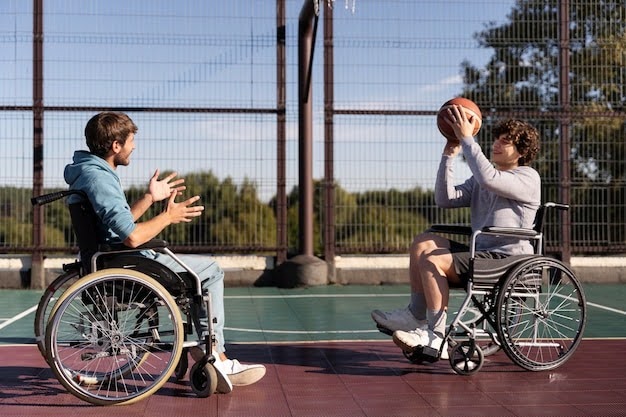
Sports can provide valuable opportunities for people of different abilities to stay active, develop skills, and connect with others. Adaptive sports programs modify activities, equipment, or rules when needed so participants can take part more comfortably. These programs can support physical activity while also encouraging teamwork, confidence, and social participation. Understanding the activities available can help individuals and families find options that match their interests and abilities.
1. Adaptive Basketball
Basketball is a popular activity that can be modified for participants with different physical abilities. Wheelchair basketball, for example, allows athletes to compete while using sports wheelchairs designed for movement on the court.
An adaptive sports program may also adjust drills or game rules according to participants’ needs. Training can focus on passing, shooting, teamwork, and court awareness.
2. Adaptive Swimming
Swimming is another activity that can be suitable for people with a wide range of abilities. Pools provide an environment where body weight is supported by water, which can make movement easier for some participants.
Programs may offer swimming lessons, recreational sessions, or competitive training. Instructors can adapt techniques and provide appropriate support based on individual needs and experience levels.
3. Adaptive Cycling
Adaptive cycling gives participants an opportunity to enjoy outdoor physical activity using equipment designed for different mobility requirements. Options may include handcycles, recumbent cycles, or other specially designed bicycles.
Adaptive sports program sessions may teach participants how to safely operate their equipment while building endurance, coordination, and confidence. Cycling can also provide an enjoyable way to explore outdoor spaces.
4. Adaptive Soccer
Soccer can be modified in several ways to make participation more accessible. Depending on the participants, programs may use modified fields, smaller teams, specialized equipment, or adjusted rules.
Players can practice passing, ball control, movement, and teamwork while participating at an appropriate level. Adaptive soccer can provide both recreational opportunities and structured competitive experiences.
5. Adaptive Tennis
Tennis programs can be adapted for players with different mobility and physical needs. Wheelchair tennis is one example, with specific rules that help make the game accessible while maintaining its competitive nature.
Coaches may adjust training exercises and equipment to match the participant’s skill level. Adaptive sports program activities can help players develop coordination, balance, concentration, and communication through regular practice.
6. Adaptive Track and Field
Track and field includes several activities that can be modified for different abilities. Participants may take part in running, wheelchair racing, throwing events, jumping, or other disciplines depending on their interests and physical capabilities.
Coaches can provide specialized training and equipment when appropriate. These activities allow participants to work toward personal goals while developing strength, endurance, and athletic skills.
Final Thoughts
Adaptive sports programs offer many ways for people with different abilities to participate in physical activity and enjoy the benefits of sports. Basketball, swimming, cycling, soccer, tennis, and track and field are just some of the options available. The adaptive sports program format can be adjusted to match individual needs, interests, and skill levels. Exploring different activities can help participants find enjoyable ways to stay active, build confidence, and connect with their communities.