
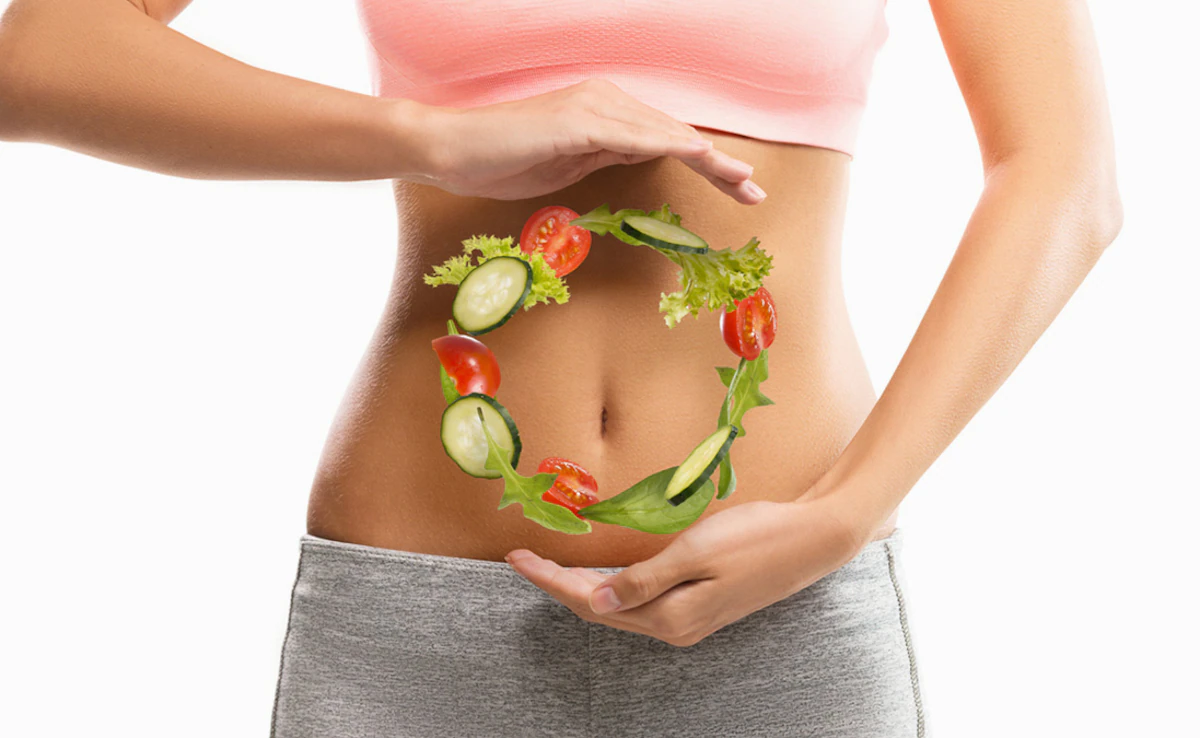
Probiotics are live organisms that have several health advantages provided that they are taken in sufficient quantities. They are also called good or friendly bacteria since they aid in the maintenance of the equilibrium of microorganisms in the digestive system. The Jain probiotics are generally found in fermented foods such as yogurt, buttermilk, idlis, kimchi, and kombucha. They also come as dietary supplements.
Lactobacillus and Bifidobacterium are the best probiotic strains of bacteria. These microbes can be found naturally in the human intestines, and they are very useful in facilitating digestion, absorption of nutrients, and immunity.
This blog will explain how probiotics assist in shrinking body fat and how consuming them on a regular basis is the most effective method of losing weight.
What are the effects of Probiotics on Body weight?
Probiotics assist the body in the manufacture of various significant nutrients, such as vitamin K and some of the B vitamins. Probiotics are also known to digest hard-to-digest fiber in the body.
The two probiotic bacteria that are significant to weight loss are Bacteroidetes and Firmicutes. These are two categories of bacteria that are more prevalent among moderate-weight individuals than among the obese and overweight individuals.
The diversity of the gut microbiota is usually lower in obese people than it is in lean individuals. Moreover, the less diverse gut bacteria in obese individuals result in higher weight gain in comparison with those of obese individuals with a more diverse microbiome.
How would Probiotics contribute to Losing Weight Fast?
Helps in appetite control
Appetite control is one of the ways through which probiotics aid in losing weight. Probiotics can aid in the release of the appetite-lowering hormones, the glucagon-like peptide-1 (GLP-1) and peptide YY (PYY). This assists individuals in expending a lot of calories.
Other probiotics contribute towards preventing the absorption of dietary fats and then enhance the percentage of fat that is excreted with feces. They make the body use fewer calories in the foods one consumes to make things easier.
Assists in the reduction of fat absorption
The digestive tract contains probiotic bacteria, which can influence how the body absorbs food nutrients and utilizes them to generate energy. Probiotics facilitate the decrease of dietary calories consumed, especially fats, which enhances bile release into the body. The end result of this process is the promotion of the reduction of belly fat.
A study has found that when adults took probiotics for 12 weeks, the body fat mass and the waist circumference were significantly reduced in comparison to individuals who did not take probiotics.
Assists in reducing fat storage
Probiotics enhance the circulation of the ANGPTL4 protein in the blood, and this protein regulates the accumulation of fats in the body. High concentration of this protein may lead to reduced fat storage, and hence loss of weight.
In a review study that aimed at determining the effects of probiotics on weight loss, it was noted that probiotics could assist individuals in losing weight and reducing the percentage of body fat.
Assists in the problem of chronic inflammation
The chronic inflammation is linked to metabolic disorders and obesity. It has been studied that probiotics help decrease inflammation in the body, which can also lead to weight loss and better metabolic health.
What are the Probiotics Bacteria that are Good for Weight Loss?
Lactobacillus gasser
One probiotic bacterium that has been examined so far and depicted promising effects on weight reduction is Lactobacillus gasseri. Several studies carried out have proved their anti-obesity effects.
A major study done on 210 individuals with a lot of belly fat showed that, after 12 weeks of Lactobacillus gasser consumption, body weight, fat surrounding the organs, body mass index (BMI), the size of the waist, and hip circumference decreased. They also lost 8% in terms of belly fat.
Bifidobacterium
Bifidobacterium is another probiotic bacterium that can be used to lose weight and belly fat. In a study, the participants who received Bifidobacterium animalis subsp. lactis each day during a 3-month period lost a great deal of belly fat and had lower BMI and waist circumference than those who received a placebo.
What is the way to add probiotics to the diet?
Select yogurt that has live and active cultures, e.g., Lactobacillus bulgaricus and Streptococcus thermophilus. Find labels with such information as live and active cultures or contains probiotics. Even pickled vegetables like pickles and pickled cabbage may have probiotics. Also, it is advisable to use naturally fermented pickles instead of those prepared using vinegar because the fermentation process generates helpful bacteria.
It is also possible to use probiotic supplements. They come in different formulations such as capsules, tablets, powder, and liquid. Select a good quality supplement that comprises a variety of probiotic strains and take the dose as recommended.
Besides eating foods with probiotics, you should also include prebiotic foods in your diet to enhance the growth and activity of the good bacteria in the gut. The prebiotic food sources comprise bananas, asparagus, onions, leeks, whole grains, and garlic.
Conclusion
Probiotics have several health benefits, as compared to decreasing weight. The quickest method of losing weight is by incorporating probiotics into the food. Probiotics supplements are not a conventional fat burner supplement, but it aids in decreasing body fat and weight gain.
The most beneficial probiotic bacteria that may be used in the process of losing weight are Lactobacillus and Bifidobacteria. Attempt to add probiotic-rich foods such as yogurt, fermented foods, and pickles.
FAQs
1. Does gut health and digestion have a weight loss effect?
Yes, gut health and digestion can have a much more profound effect on weight loss, including the absorption of nutrients, metabolic processes, appetite control, and gut bacteria balance.
2. Is weight loss the secret to healing your GUT?
Although gut health enhances weight loss through better digestion and metabolism, it is not the only secret; a proper diet and exercise are also very important.
3. What should we eat to keep the gut healthy?
Some of the foods that help to promote gut health are yogurt, kefir, sauerkraut, kimchi, miso, tempeh, kombucha, pickles, whole grains, fruits, vegetables, legumes, nuts, seeds, and prebiotic foods, such as garlic, onions, bananas, and asparagus.
4. Is there a correlation between bad gut health and obesity?
Though there is a relationship between the health of the gut and obesity, this is a complex relationship. Diet, lifestyle, genetics, and the composition of gut microbiota are also factors that lead to the development of obesity, together with gut health.
5. What is the relationship between gut health and weight loss?
Gut health affects the weight loss process through the digestive system, nutrient absorption, body metabolic rate, appetite, and gut bacteria structure, which can influence the body’s weight management process.