
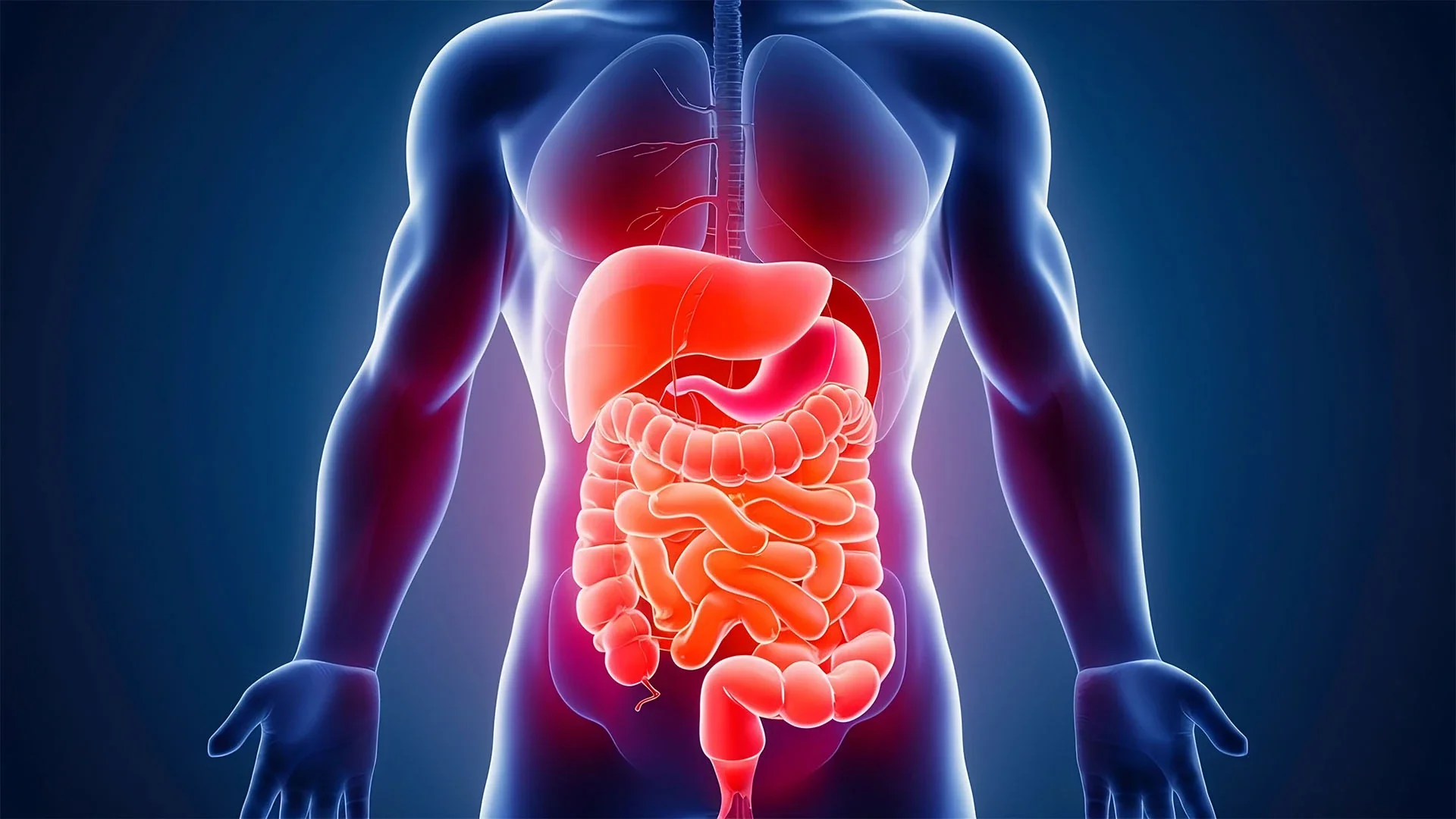
All expecting mothers and fathers wish to have an easy ride to the birth of a new baby. Nevertheless, there are occasions when you face some unforeseen issues. A case in point is gastroshiza, which is an abdominal wall defect that may be congenital and can cause parents to feel overwhelmed and anxious.
This condition occurs when a baby’s intestines develop outside of the body due to an opening in the abdominal wall. This rare condition is important to learn about, not only to medical practitioners but also to the families that have to cope with its complications.
In this blog post, we will find out what gastroshiza is, the causes and symptoms, the available cases of treatment and how families can cope with it all and look forward to the future developments of research. Now we can go into the gastroshiza together knowledge is power!
What is Gastroshiza?
Gastroshiza is a birth defect which involves the abdominal wall of the growing fetus. It takes place when the abdominal muscles are open, and intestines come out of the body.
This condition is usually located on the right side of the umbilical cord and may cause any of the complications in case it is not promptly treated. The intestines are exposed and this makes them vulnerable, a cause of concern in pregnancy and after birth.
Although gastroshiza is a relatively uncommon illness, it can have an extensive family impact. Knowing this condition assists parents to know what to expect ahead, diagnostics to treatment choices.
The precise cause is not known, but certain factors such as maternal nutrition and environmental factors can be contributory. Early diagnosis is usually performed during prenatal visits to identify the health of the baby through regular ultrasounds that allow the family to know the health of the baby prior to birth.
Types and Causes of Gastroshiza
Gastroshiza is mainly in the form of a defect of the abdominal wall. This disorder is a result of the incomplete fusion of the muscles of the abdomen in the early fetus. Due to this, the intestines stick out of the body.
The definite cause of gastroshiza is not clear. Nevertheless, a number of factors can augment risk. Potential factors have been taken to include environmental factors such as exposure to some medications or chemicals during pregnancy.
Genetic predispositions contribute to this, as well. Although there is no direct inheritance, the family history indicates that some genetic indicators could contribute to the risk of this birth defect.
Also, maternal health issues like diabetes and obesity could increase the risk factors of gastroshiza in newborns. This knowledge of types and causes helps in prenatal care and awareness to the expecting parents.
Symptoms and Diagnosis
The gastroshiza symptoms are usually noticeable during prenatal ultrasounds. The parents of the expecting baby may be given the news that his or her baby has a congenital abdominal wall defect. The most conspicuous indicator is the fact that they have external intestines, which could be observed as sticking out of the abdomen.
Symptoms also may include visible loops of the intestine extrajudicially and possible problems with feeding or bowel movement at birth. These symptoms should be attended to as an emergency.
The imaging methods used in diagnosing gastroshiza usually include ultrasound when pregnant. Physical examination will be done to ascertain the diagnosis after delivery by the healthcare professionals. No other observations regarding the related anomalies are also essential in extensive care planning.
Early diagnosis is crucial towards effective management of this condition and hence treatment modalities can be offered immediately after birth.
Gastroshiza Treatment
Gastroshiza is usually treated as early as possible. The main objective is to preserve the exposed intestines, and avoid infection.
Surgeons normally use what is known as silo placement whereby the outside organs are covered with a protective cover. This serves to keep them safe pushing them back in the abdominal cavity as it forms.
In other instances, surgery could be done soon after birth to fix the defect itself. The surgery includes sealing the hole in the abdominal wall and rearranging any intestines that are protruding.
Recovery should be followed by post-operative care which may involve nutritional support by IV fluids or feeding tubes until normal digestion is back to normal.
The follow up visit should also be an option to the parents to keep an eye on the progress and growth as children with gastroshiza might have other setbacks at their early age.
Long-Term Effects and Complications
Gastroshiza has a number of long term consequences which could impact on the general health of the child. Nutritional deficiency is one of the most widespread problems as there is a problem with the absorption of food. Consequently, continuous tracking and potential treatments are necessary.
Gastrointestinal problems such as bowel obstructions or motility problems may also be caused to children with gastroshiza. These conditions may necessitate further surgery as time goes by.
Psychosocial aspects shouldn’t be overlooked either. Children with observable differences might have financial or social problems as they age. Family and community support is very essential in their development.
Consistent follow-ups with the healthcare professionals can be used to manage these complications. With early intervention, the quality of life of people living with this condition can greatly be enhanced, and they will be able to lead a normal life despite the diagnosis.
Coping with a Child Born with Gastroshiza
It is overwhelming to cope with a child born with gastroshiza. Parents are prone to a whirl of emotions, fear, to uncertainty. One needs to go through the support structures at this stage. Getting in touch with people who have been through similar difficulties can help comfort and offer more understanding.
Both education is important in this journey. Knowing the condition will put fears behind them and enable parents to champion the care of their child. Go to appointments collectively, pose questions and understand all the information about treatment choices.
Home routines can also bring about stability in the midst of the chaos. Family bonds can be strengthened through such simple things as meal times or bedtime stories, which can be considered as normalcy.
Self-care is also crucial- parents must take their health into consideration. Relaxation or hobbies can help to replenish emotional reserves and be able to provide improved care to the child.
Professional counseling can also be helpful; therapy can offer a channel to vent their feelings as well as prepare families with skills to cope with their circumstances based on the specific situations they face.
Recent Research and Developments
The recent developments in the study of gastroshiza are encouraging. Researchers are examining the genetic factors, which can cause this hereditary disorder. Knowledge of these aspects may result in early diagnosis and treatment measures.
New surgical methods have come up, which are more effective in treating infants with the condition. Less invasive surgery saves on time and improves the prognosis. Surgeons are currently attempting to make use of sophisticated imaging technologies to plan operations more accurately.
Also, researchers are exploring the effects of prenatal care on the outcomes of gastroshiza. Research indicates that prenatal nutrition may be very important in preventing complications.
Also, there is an increased emphasis on longitudinal follow-up research of children born with gastroshiza. This will focus on developmental milestones and quality of life as they age so that they will receive comprehensive care in their lifetime.
Partnerships in different fields of medicine are still contributing to the advancement of knowledge and effective treatment of this condition.
Conclusion
Gastroshiza is a challenging illness that has its own challenges and opportunities for the sufferers. It is important to be aware of the complexities of this congenital abdominal wall defect to the parents and caregivers. Through investigating its causes, symptoms, treatment, and its long-term consequences, families can be better prepared to face the future.
As medical research and technology continue to improve, there are resources now more than ever in place to help those who are dealing with gastroshiza to navigate life. One also needs to be aware of emerging trends, which might increase care approaches or better results.
Gastroshiza requires not only therapy but also emotional strength to cope. Support networks are invaluable as they provide a sense of community and understanding during tough times.
The process will be challenging but full of hope as we keep on getting to know more about this condition. Every child is coming with his/her story, strengths and success that should be noticed. The adoption of these stories will create more awareness about gastroshiza and promote sympathy between communities.