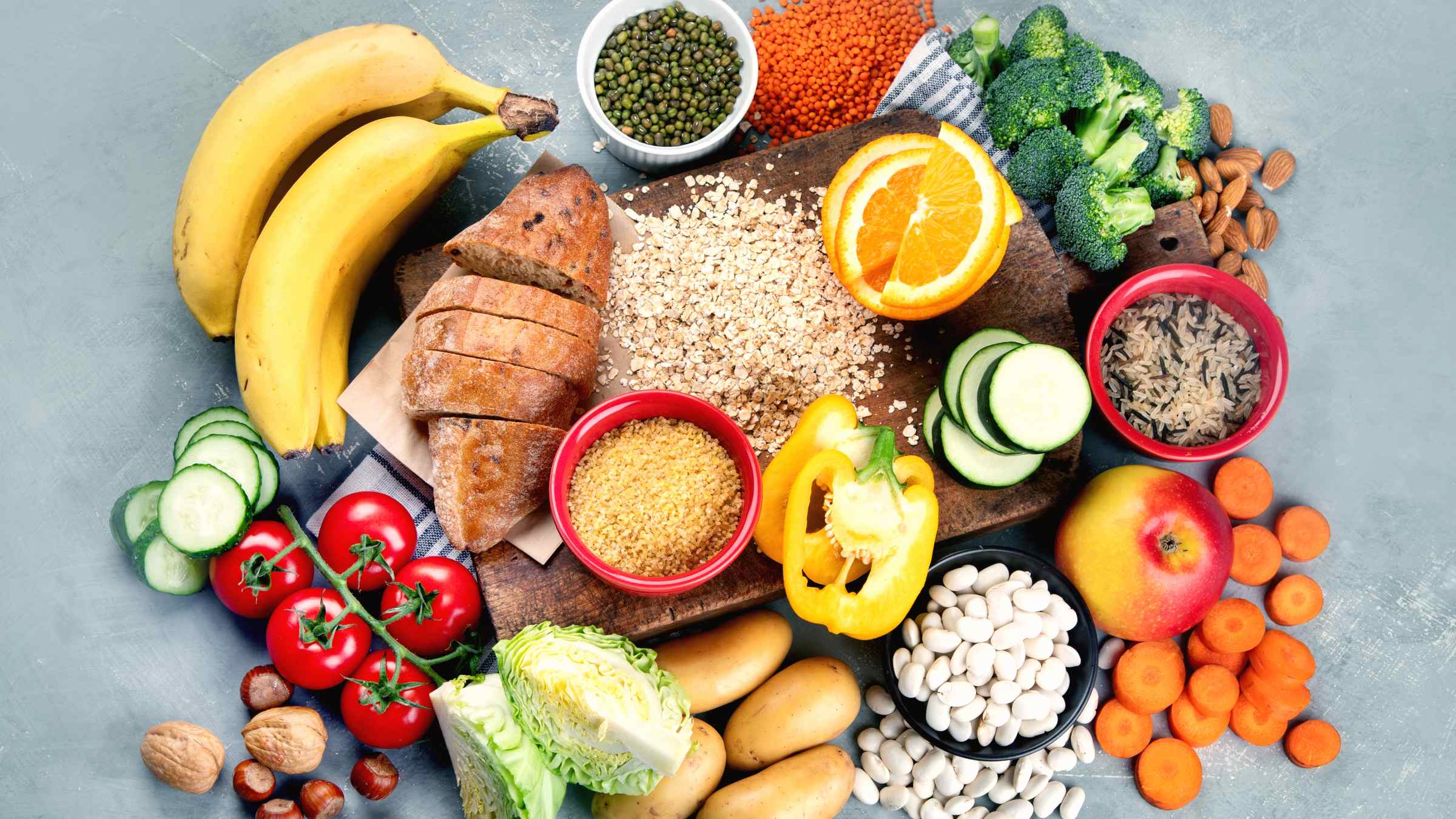

Weight loss is not an easy undertaking, especially when one is going on a strict diet and an intense workout program. The good thing is that sustainable weight loss does not necessarily have to be grounded on extremes. The little daily routines are not that hard and cumbersome; they will bring you on the journey and make it pleasant. By making some realistic changes that can be integrated into everyday life, you will be able to devise a system that will automatically enable the process of fat loss and long-term health.
Start Your Day with a Nutritious Breakfast
The breakfast determines the mood of the remainder of the day. Failure to do it may lead to subsequent gluttonous eating, but consumption of food of low nutritional value causes bursts of energy and hunger. The protein, fiber, and healthy fats should be the components of a balanced breakfast to help in controlling both appetite and blood sugar levels.
Examples include:
- Berry Greek yogurt with oats on it.
- Spinach scrambled eggs and whole-grain toast.
- A nut butter, greens, and protein powder smoothie.
You will not feel like having a snack in the middle of the morning or overeating during lunch since you have already fuelled your body in the morning.
Eat More Protein at Every Meal
Protein is the most satiating among the macronutrients and makes you feel fuller. It is also useful in the preservation of lean muscle mass, which is crucial in keeping a healthy metabolism. It is planned to have some source of protein with each meal, which can be chicken, fish, beans, tofu, or eggs.
Besides, protein helps in muscle recovery following exercise, hence one can be consistent with exercise. This habit is also beneficial in building body composition by decreasing fat while building or adding muscle by controlling hunger.
Drink More Water
Being hydrated is another weight-loss trick that is simple to forget about. Dehydration may also be similar to hunger, such that people may end up snacking even when the body does not require the food. The use of water before eating has also been found to reduce calories.
The amount of water that is recommended is 6-8 glasses a day, based on the activity level or weather. A reusable water bottle will also assist in monitoring the water consumption and prevent the urge to drink garbage. Rather than taking soda or juice, an individual can take water or sparkling water as a slight alteration or a slight change that can result in a significant difference in terms of calories burned.
Move More in a Day
Exercises do not always mean that one has to spend a lot of time in the gym. The proportion of non-exercise activity thermogenesis (NEAT) has been a significant fraction of the overall calorie expenditure in daily activity, not due to exercise. This includes walking, climbing stairs, gardening, or even doing the household chores.
Easy ways of transporting more include:
- Park at the entrance further when shopping.
- Continuing the walking meetings or phone calls.
- Spending some part of the day on a standing desk.
- Including a brief evening stroll after dinner.
These extra steps can make a big difference in the amount of energy consumed in the long run, and it does not necessarily require one to feel like they are exercising.
Get Quality Sleep
The role of sleep in weight management is so underrated, but it has a direct influence on hormones that control hunger and appetite. Sleep deprivation increases the hormone that causes an individual to feel hungry, ghrelin, and decreases the hormone that causes an individual to feel full, leptin. This imbalance results in subsequent cravings and overeating, particularly for high-calorie food.
Intend to achieve 7-9 hours of good sleep every night. To improve the quality of sleep, it is possible to establish a pre-sleep routine, limit the use of screens before bedtime, and make the bedroom cool and dark. The rested bodies are more resistant to cravings, and they also heal better after exercise.
Manage Stress Proactively
The long-term stress leads to the production of a hormone called cortisol, which is related to the build-up of fats, especially at the midsection. Stress is also a factor that leads to emotional eating, which makes it difficult to stick to healthy foods.
Stress management techniques can be mindfulness, meditation, deep breathing, reading, or gardening. Exercise is also a natural stress reliever, and emotional support is given by social connections. You avoid the eating sprees and weight gain cycles that will normally be a result of stressful times by keeping the level of stress moderate.
Practice Mindful Eating
Having an excess can be a result of eating in a hurry or by viewing in front of the screens. Mindful eating helps to be aware of hunger and fullness cues. Eating slowly and not being distracted will allow the body time to digest satiety and can result in fewer calories with a lack of deprivation.
One of the practical proposals is to leave the utensils between bites, or eat a little at the commencement of the meal and never revisit the plate until one is really hungry. This, in the long run, builds a healthier relationship with food and reduces unnecessary snacking.
Plan and Prep Ahead
One of the best daily weight loss habits is eating in advance, making meals and snacks. The desire to consume fast food and convenience foods that have a lot of calories can be avoided through planning.
This may involve getting the stock of low-fat food and vegetables ready on Sundays to get through the whole week, cooking fruit in advance to have as a snack, or nuts and protein bars in case of emergency. The consistency in the meal planning also makes sure that the nutrition is not neglected even during the busy days.
Apply Supportive Tools Prudently
Even though weight loss is based on lifestyle changes, certain aids may facilitate the process. As an illustration, it has been indicated that gut balance has a role to play in weight control. Research of a particular product, such as the use of online sources of weight loss probiotics, might also be an additional source of help to assist in the process of enhancing metabolism and digestion.
Conclusion
Slimming down does not have to be rooted in harsh eating patterns and workouts that are humiliating. Instead, it is daily habits, like eating a well-balanced breakfast, paying attention to protein, staying hydrated, working out harder, sleeping, and being able to manage stress, that can create a lasting change. Barriers can be further reduced through mindful eating and meal planning, and weight loss probiotics can be used as an additional benefit.
By engaging in realistic and frequent practice, you get used to the practice where you are no longer required to correct the problem, but rather lose weight without having to find short-term solutions in the process. The outcome is not only a lower score on the scale, but more energy, wellness, and confidence in our day-to-day lives.