
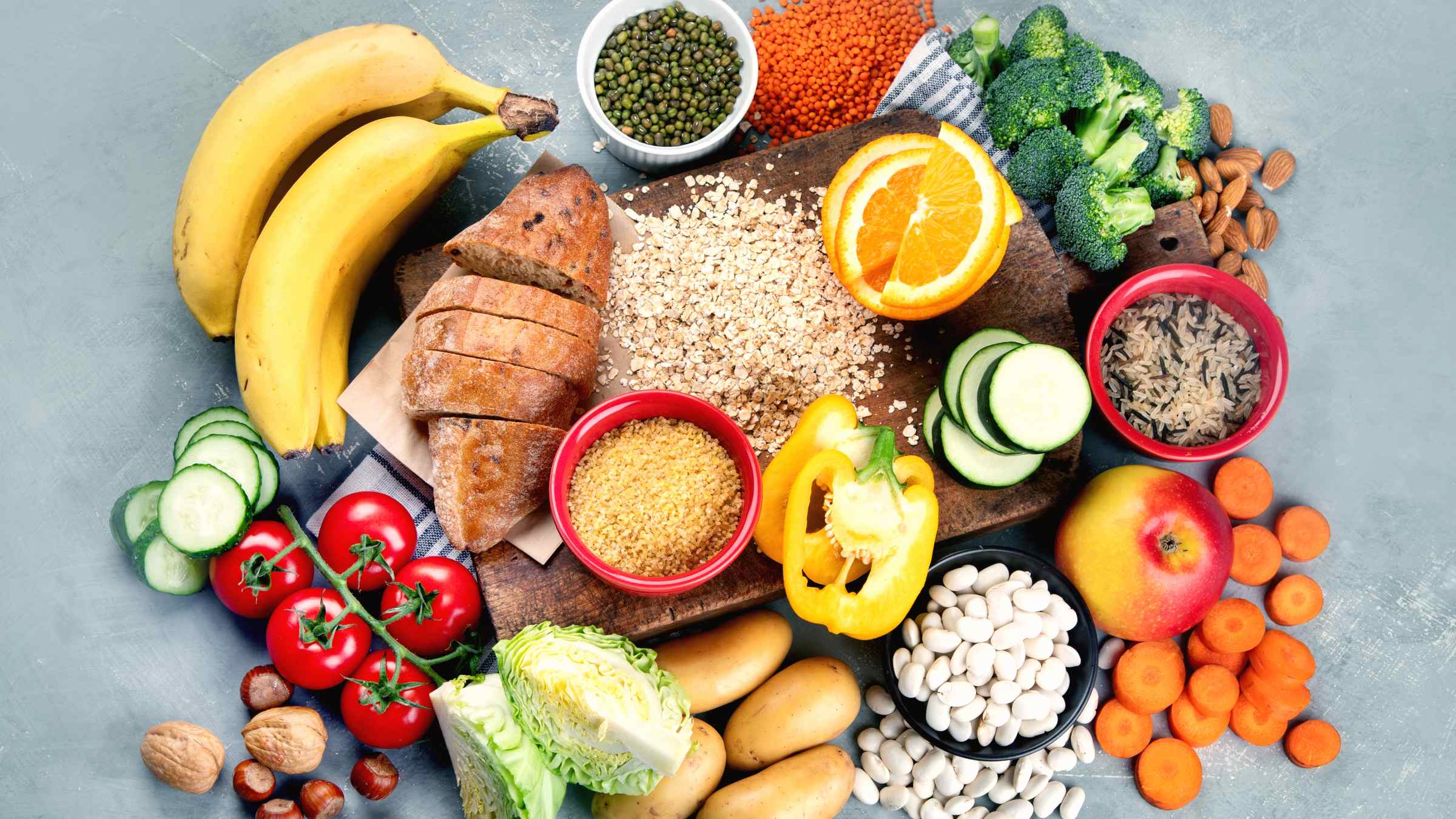
Simply put, what is nutrition? Nutrition is the process of taking in food in exchange for life, growth and health. “Good nutrition” is eating a healthy diet that provides all the nutrients in the proper amounts. Knowing about the various types of nutrients and the food sources of each is extremely important when it comes to optimal health and this is where health and wellness coaching can come in handy.
What Are Nutrients?
But exactly what are nutrients? Food provides the substances called nutrients, which our bodies require to carry out a variety of tasks, such as growth, energy production and maintenance. These are made up of carbohydrates, protein, fat, vitamins, minerals and water.
Knowing the difference (nutrition vs nutrients) is important as nutrition is a larger concept that covers all of the processes of getting and utilizing nutrients effectively. If you understand the difference between nutrition and nutrients, it helps to clear up your diet decisions. Many confuse nutrition vs nutrients, but they’re different concepts.
The Various Types Of Nutrients That Are Important For Health?
Both Macronutrients and Micronutrients
There are different types of nutrients which our bodies require, primarily separated into micronutrients and macronutrients:
- Macronutrients: These are required in large amounts. Carbohydrates, proteins and fats are energy sources.
- Micronutrients: These are required in less quantity but are crucial. Vitamins and minerals play a vital role in immunity and other bodily processes.
There Are Six Types Of Nutrients
- Carbohydrates: These are used for quick energy and brain function, such as grains, fruit and vegetables.
- Proteins: They are used for tissue repair and muscle growth, such as meat, milk, eggs and legumes.
- Fat: Essential for energy storage, absorption of vitamins and supporting cell health – e.g. nuts and seeds, oils and fish.
- Vitamins: Aid metabolism and immune function, e.g. fruit and vegetables, whole foods.
- Minerals: Essential for bone health, muscle activity and nerve function and examples include calcium, magnesium and iron.
- Water: Essential for hydration, digestion, absorption and body temperature regulation.
How to Use The Nutrition Chart For Foods To Help You Make Healthy Food Choices?
Macronutrients
- Carbohydrates: Primary source of energy in the diet; present in rice, pasta, bread and fruits.
- Proteins: Building blocks of tissues and for muscle development; from meats, dairy products, beans and legumes.
- Fats are essential for energy, absorption of nutrients and cell health; found in avocados, nuts, cheese and oil.
Micronutrients
- Vitamins: Fat-soluble (A, D, E, K) and water-soluble (C, B-complex): required for energy metabolism, immune and overall body function.
- Minerals: These are important for bone density, nerve signalling and muscle function, such as calcium, magnesium and potassium.
Finding a balance between the various age groups’ dietary needs.Finding a balance between the various age groups’ dietary needs.
- Infants: Need more fat to support growth and brain development.
- Teenagers: They require more protein, iron and calcium to fuel the growth that is taking place.
- Older adults: Increase calcium intake, vitamin D and B vitamins to help preserve muscle strength and cognitive function.
What is Nutrition?
What does nutrition mean? It is about food we eat, its digestion and absorption and how we utilize it. Good nutrition provides good health, correct amounts of energy, vitamins, minerals and nutrients needed for growth and development, and affects the body, mind and mood.
Knowing The Basics: Types Of Nutrition
- Autotrophic Nutrition: Organisms prepare their food by utilising sunlight/chemical energy. Photosynthesis is when plants use the sun’s energy to create food.
- Heterotrophic Nutrition: Organisms which require other organisms for food, such as humans and animals, are included in this category, for example those that feed by ingesting living organisms (holozoic), symbiotic (mutualistic) and decompose dead plant and animal material (saprotrophic).
The Food Comes From Various Sources Of Nutrition
- Plant-Based Resources: Fruits, vegetables, grains and nuts are good sources of vitamins, minerals and dietary fibre.
- Sources Derived from Animals: Contain proteins, B vitamins, iron and zinc and come from meats, fish and dairy products.
The Need For Balanced Nutrition
- Helps maintain energy levels and physical well being.
- Boosts immune function.
- Supports healthy Brain Function and Mood.
- Prevents deficiency, chronic diseases.
- Fosters optimum growth and well-being.
How Can Nutrition Contribute To Mental Health?
- A Well-Balanced Diet: Supplies nutrients to support duties, increase mood and lower stress, resulting in better brain functions.
- Fatty Acids Omega-3: Found in fish and flaxseeds, are needed to reduce anxiety and improve mood and cognitive function.
- The Vitamins In B: These support energy levels and deal with fatigue – they are ubiquitous in whole grains, meat, eggs and milk.
Water: Adequate water keeps anxiety and stress levels down and aids in emotional stability and clarity.
The Function Of A Nutrition Chart For Foods In The Control Of Chronic Diseases
- Counting Carbohydrates: This diet helps diabetics to keep their glucose levels in check by planning their carbohydrate consumption.
- Foods Low in Sodium: Nutrition charts galore are available that provide information on all low sodium foods to help control blood pressure and cardiac wellness.
- Fiber-Rich Options: Aids weight control, cholesterol control and digestion and helps prevent blood glucose rises.
- Regulation of Caloric Input: Essential for obesity management; use of nutrition charts enables people to make informed decisions on calories.
A Health And Wellness Coach’s Role In Enhancing Health Strategies
- Provides individual nutrition and lifestyle recommendations.
- Leads healthy lifestyle practices and healthy decision-making.
- Sets achievable health objectives that are appropriate to them.
- Fosters sustainable engagement with an improved lifestyle.
Frequently Asked Questions (FAQs)
1. What Are The Six Nutrients That Plants Need?
Carbohydrates, proteins, fats, vitamins, minerals and water are the six essential nutrients. They help produce energy, grow, repair, fight infections and maintain overall health.
2. Why Are Carbohydrates Important?
The most important source of energy in the body is carbohydrates. They provide energy to the brain, muscles and other organs and fiber containing carbohydrates promote digestive wellbeing.
3. What Foods Have A High Protein Content?
Eggs, fish, poultry, milk and dairy products, lentils, beans, chickpeas, tofu, soy, quinoa, nuts and seeds are good sources of protein.
4. Is Everything Fat Bad For You?
No. But unsaturated fats in foods such as olive oil, avocados, nuts, seeds, and fatty fish are good. Trans fats are to be avoided and saturated fats should be taken in moderation.
5. Why Are Vitamins And Minerals Important?
Vitamins and minerals work to maintain body functions, to support immunity, to strengthen bones, to aid metabolism, to assist nerve function and to protect cells from damage.
6. How Many Glasses Of Water Should I Drink A Day?
The required amount of fluid per day depends on each person’s specific needs, but generally people can consume approximately 2.7 liters of fluid daily for women and 3.7 liters daily for men, which includes liquid and water-rich foods, as well as water. These amounts may change based on activity, climate, and health.
7. Am I Able To Get All My Nutrients From Food?
The majority of healthy people can get the nutrients they need from a healthy and balanced diet. Other people (e.g., pregnant women, geriatric people and patients with certain medical diseases) may need supplements when prescribed by a doctor.
8. What Are The Symptoms Of Nutrient Deficiencies?
These are symptoms such as tiredness, poor immune system, hair loss, brittle nails, dry skin, muscle weakness, inability to concentrate, slow wound healing and discomfort in the bones. Your GP can help find the cause.